




 All guides

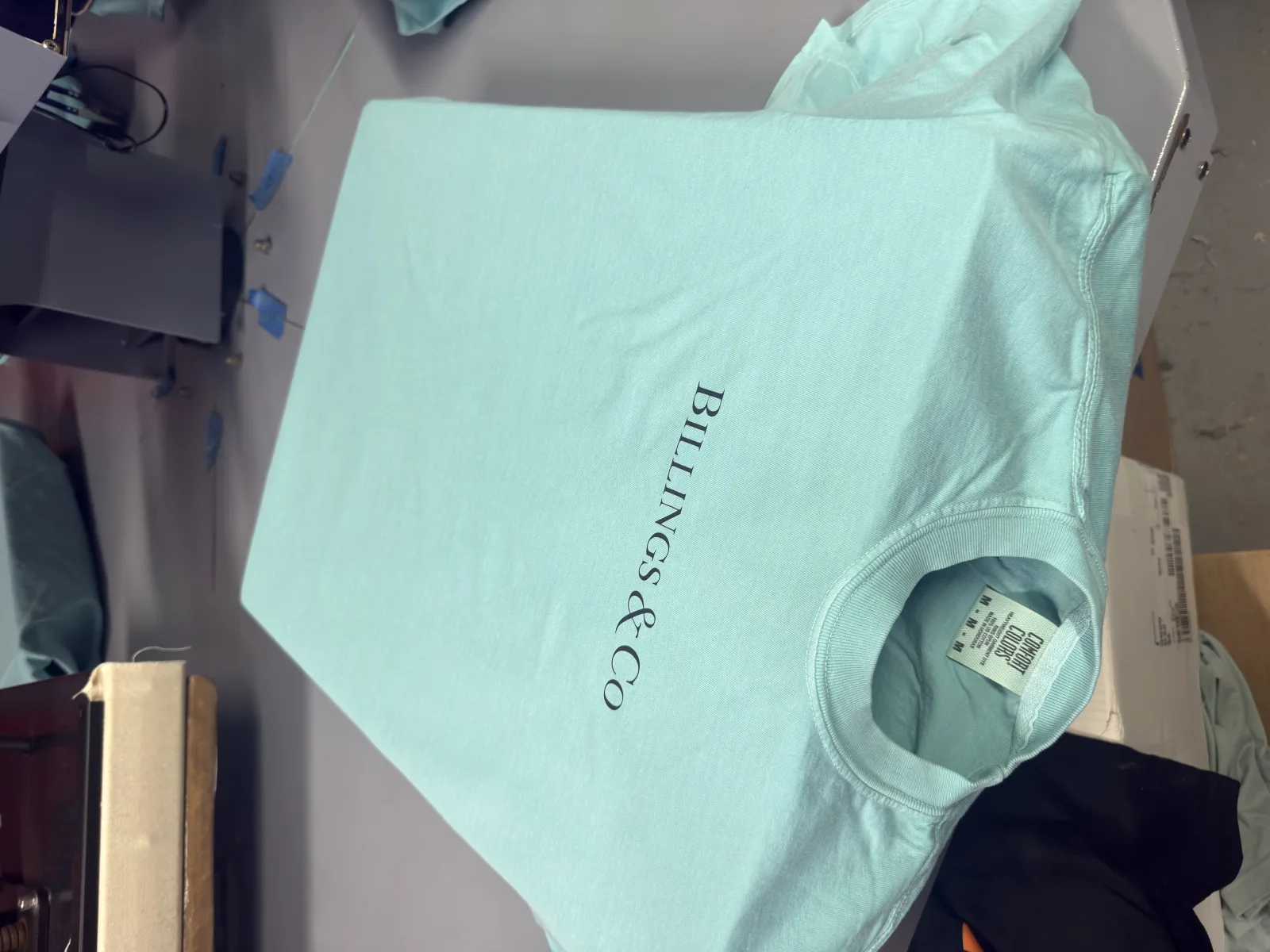
When a blank garment may fit
An existing garment can be a practical starting point when its fit, fabric, color, and availability meet the brief. It can then be decorated with embroidery or print. Review the product references and decoration placement before production.
When to consider cut-and-sew
Custom development may be worth exploring when the product needs a distinct fit, fabric, construction, finish, or feature that an existing garment does not provide. The idea needs to be translated into clear specifications before a manufacturing partner can assess it.
Consider the level of product control
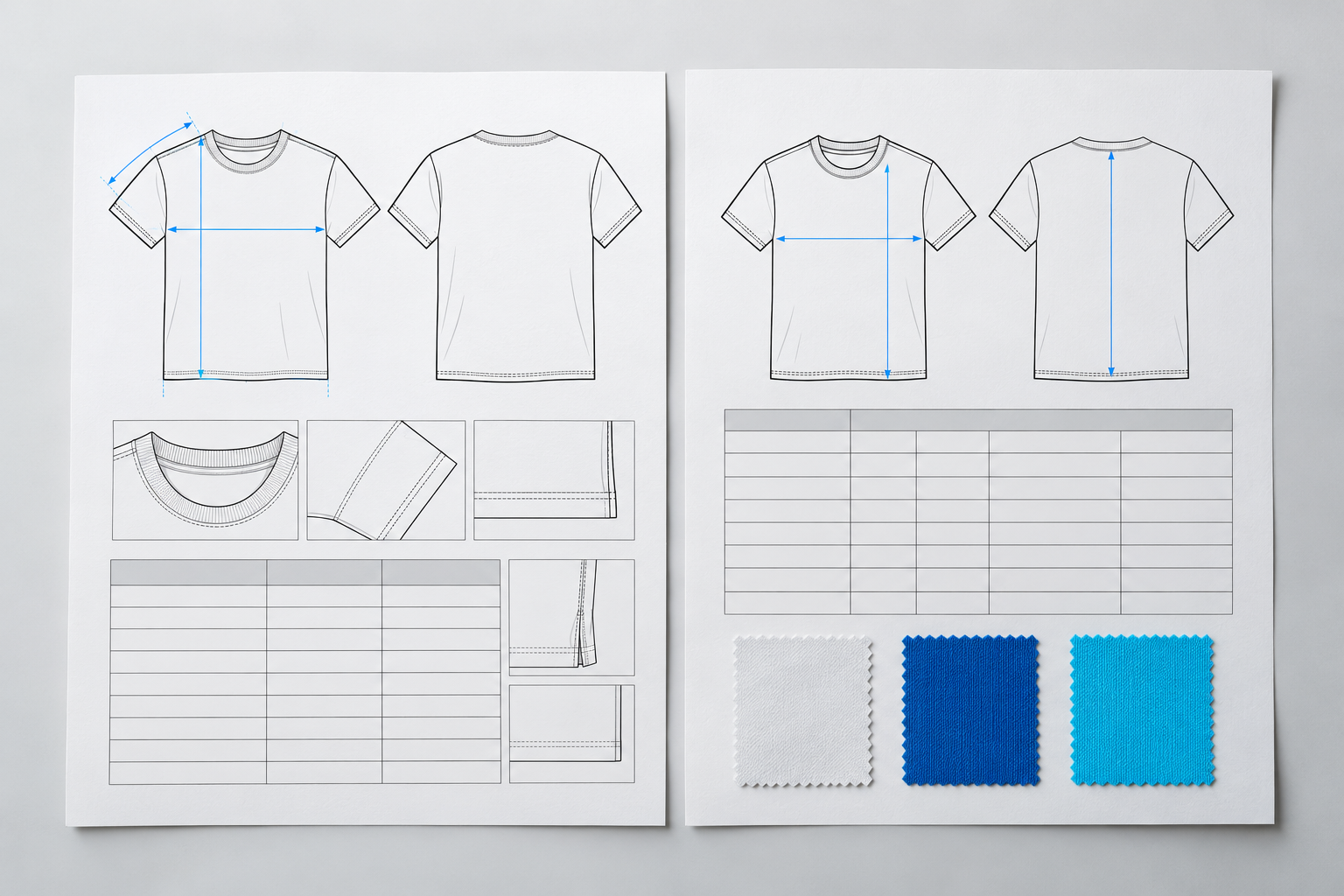
With a blank, many garment decisions have already been made by the manufacturer. With cut-and-sew, you define more of the product, which can mean additional design and development work. A tech pack helps organize these details for review.
Compare with your brief
Write down what must be unique, what can use an existing option, and what details are flexible. Include reference images, use case, desired material or construction, branding, and any constraints you already know.
Neither option is automatically better. The right path depends on whether an available garment can deliver the product you need or whether the garment itself needs to be developed.

 Project costs
 Planning guide



 Brand direction from the first idea