




 All guides

Choose a product path
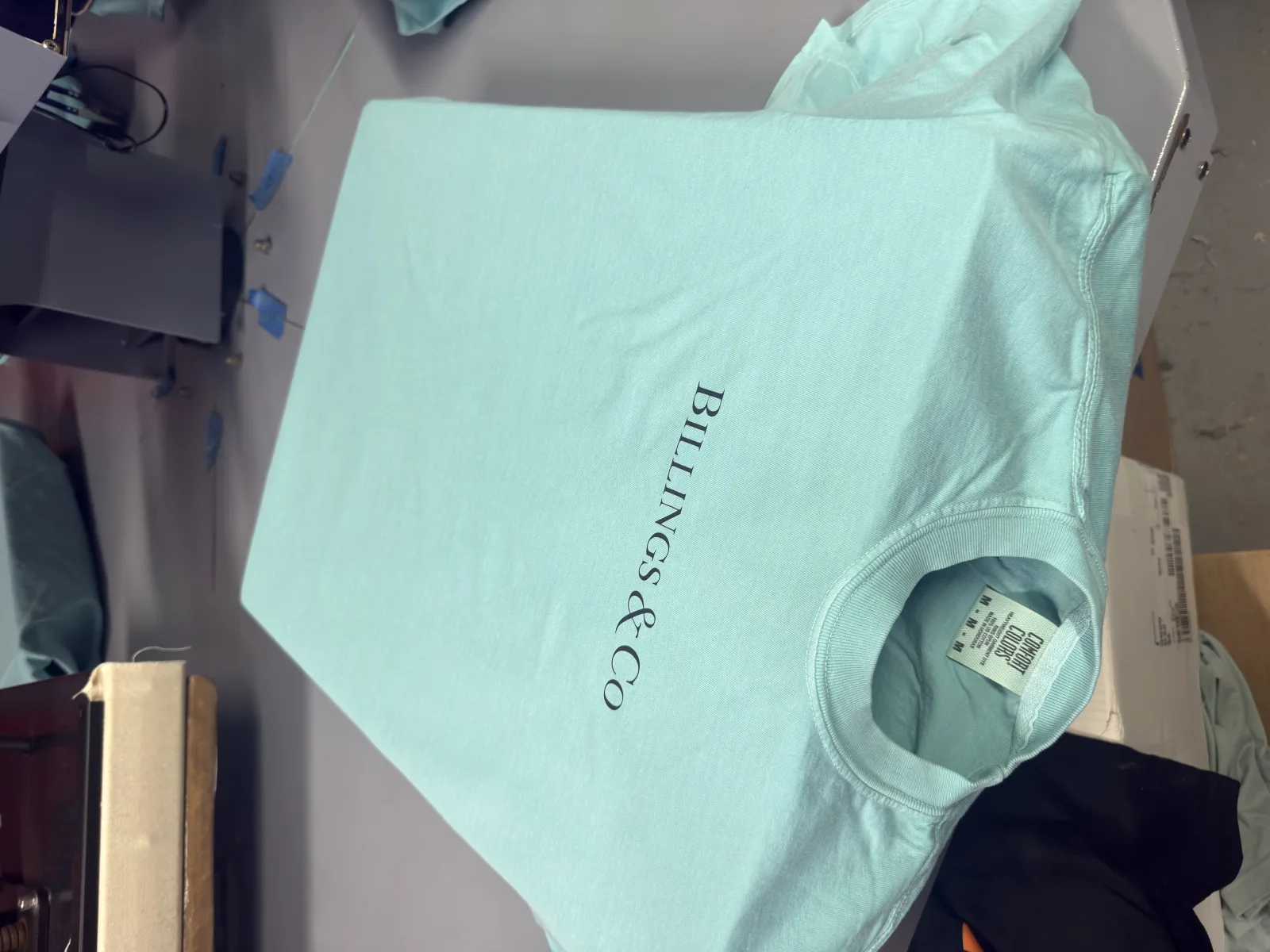
Many new lines begin with an existing blank garment and add print or embroidery. A custom garment can be developed around a particular fit, fabric, construction, or feature. The custom route usually requires more product definition before production can be scoped.
Plan the identity and artwork
Consider whether your logo and visual identity are ready, what artwork needs to be prepared, and how designs will appear across the collection. A clear system can help keep labels, decoration, and packaging consistent.
Define product and order details
List the garment types, sizes, colors, decoration locations, labeling needs, packaging, and quantities you want to explore. These are planning inputs, not a promise of a specific minimum order or production cost.
Allow for development and review
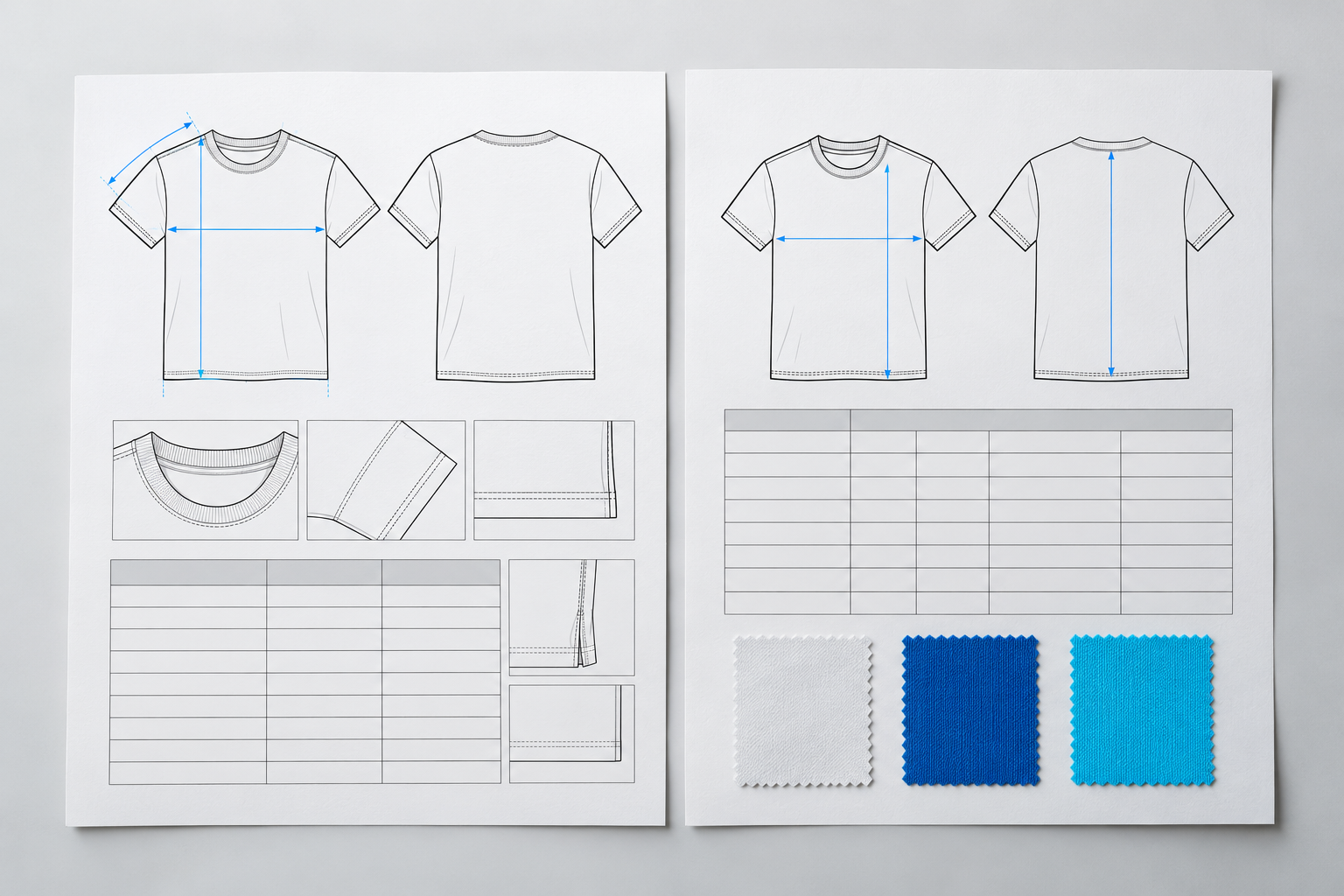
Custom products may need specifications, mockups, or samples to review before production. The product path, level of detail, and revisions all affect the work involved. For a custom garment, a tech pack can help collect and communicate specifications.
Start with a clear brief
Share the audience, product references, target use, artwork, and any known constraints. If you are deciding between decorated blanks and custom garments, Outpace can help outline the options before you commit to a direction.
See blank apparel versus cut-and-sew and what a tech pack includes for more planning context.

 Compare methods
 Quick guide



 Brand direction from the first idea